
The system · 8 min read ·
The live show snowball: how one gig becomes a permanent asset
The short version
A fan who watched you play is the warmest they will ever be about your band. Sixty people in a Danbury taproom on a Friday is not a bad night. Sixty names, tagged Danbury, that you can text in March, is an asset.
Everything we build sits on top of one idea, so it is worth writing down properly rather than leaving it as a sales line. Here is the whole system.
The problem, stated honestly
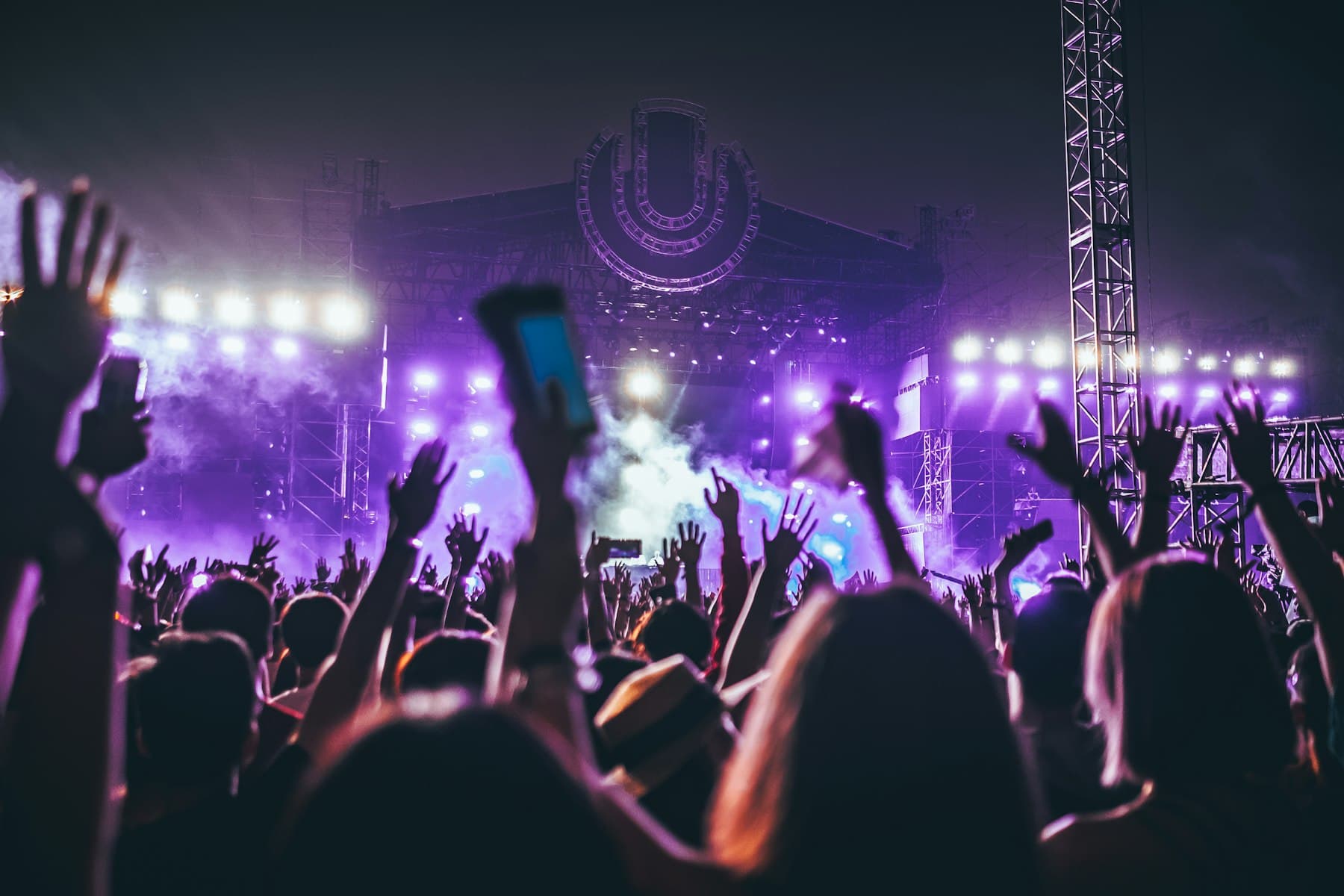
You play a good show. Sixty, eighty, a hundred and twenty people watch you and mean it. Some of them buy a shirt. Then the house lights come up, everyone goes home, and by Tuesday you cannot name a single one of them or reach any of them on purpose.
Three months later you are booked back through that same town and you are starting from nothing again. You post about it and hope. That is not a talent problem or a work-rate problem. There is simply no mechanism catching anything.
Step one: the capture
A dynamic QR code, printed big, at eye height. This sounds trivial. It is the single most commonly botched part of the whole thing.
Dynamic matters because the destination has to change without reprinting the banner. Tonight it points at the show photos. In March it points at the new single. Same code, same banner, different job.
Step two: something worth scanning for
Nobody gives up a phone number for a newsletter. Nobody has ever wanted your newsletter. They will absolutely give it up for something they want right now:
- An unreleased demo they cannot get anywhere else.
- The photos from tonight, sent to them tomorrow.
- Five dollars off at the table, applied immediately, while they are standing there deciding.
- Early access to the next run of shirts before you announce it.
The trade has to be obvious and instant. If somebody has to think about whether it is worth it, you have already lost them.
Step three: the text fires immediately
The second they scan, they get a text. Not a confirmation email. A text, while they are still in the room, still holding a drink, still able to look up and see you on stage.
If the welcome message arrives on Tuesday, they will not remember who you are. The whole value of the moment is that the memory is live. A message that lands two days later is a message from a stranger.
Step four: tag it by venue and town
This is the step that costs nothing on the night and pays for everything later. Every signup lands in the list with the venue they scanned at and the town it is in.
You did not fill in a form. You did not export anything. It already happened while you were loading out.
Step five: three months later, the payoff
You are back through that circuit. You do not post and pray. You text the sixty people who scanned in that specific town, in the week of the show, and tell them you are coming back.
The room is not empty at doors. That is the snowball. Every show you play makes the next show in that town bigger, permanently, because the list only ever grows.
Why this matters more than it used to
Live is where the money and the attention actually are right now. MusicWatch reported per-capita spending on live music at $281.08 in 2024, up 17 percent on the previous year, with the share of the population buying tickets rising from 51 to 56 percent. Spending on music merchandise rose 45 percent in the same year.
of the US population bought a concert ticket in 2024
Up from 51% in 2023, per MusicWatch, reported by Billboard
People are going out and spending. The bands that do well over the next few years will not be the ones who posted most. They will be the ones who could still reach the room after everybody went home.
What it costs you to run
About ten minutes a week once it is set up, from your phone. The setup is the part that stops people, which is the part we do: the code, the offer, the automation, the carrier registration, the tagging, and checking it actually fired.
Then we come to the show and look at where you put the banner, because that is a thing you cannot diagnose from a dashboard.
Sources
Want this running for your band?
We build the site, wire the fan capture, and keep it running. And we come to the shows, which is the part a platform cannot do.
Start the conversation